
Recipe · Weekend · Makes 2 rolls
It's Okay — You Can Make Woo Young-woo's Gimbap at Home
In Extraordinary Attorney Woo, gimbap is Young-woo's go-to food — every ingredient is visible at a glance, and it's the same comforting roll every time. It's a real, everyday Korean favorite, and a simple version takes about 30 minutes. If you don't have every filling, that's fine — keep reading before you decide to skip it.
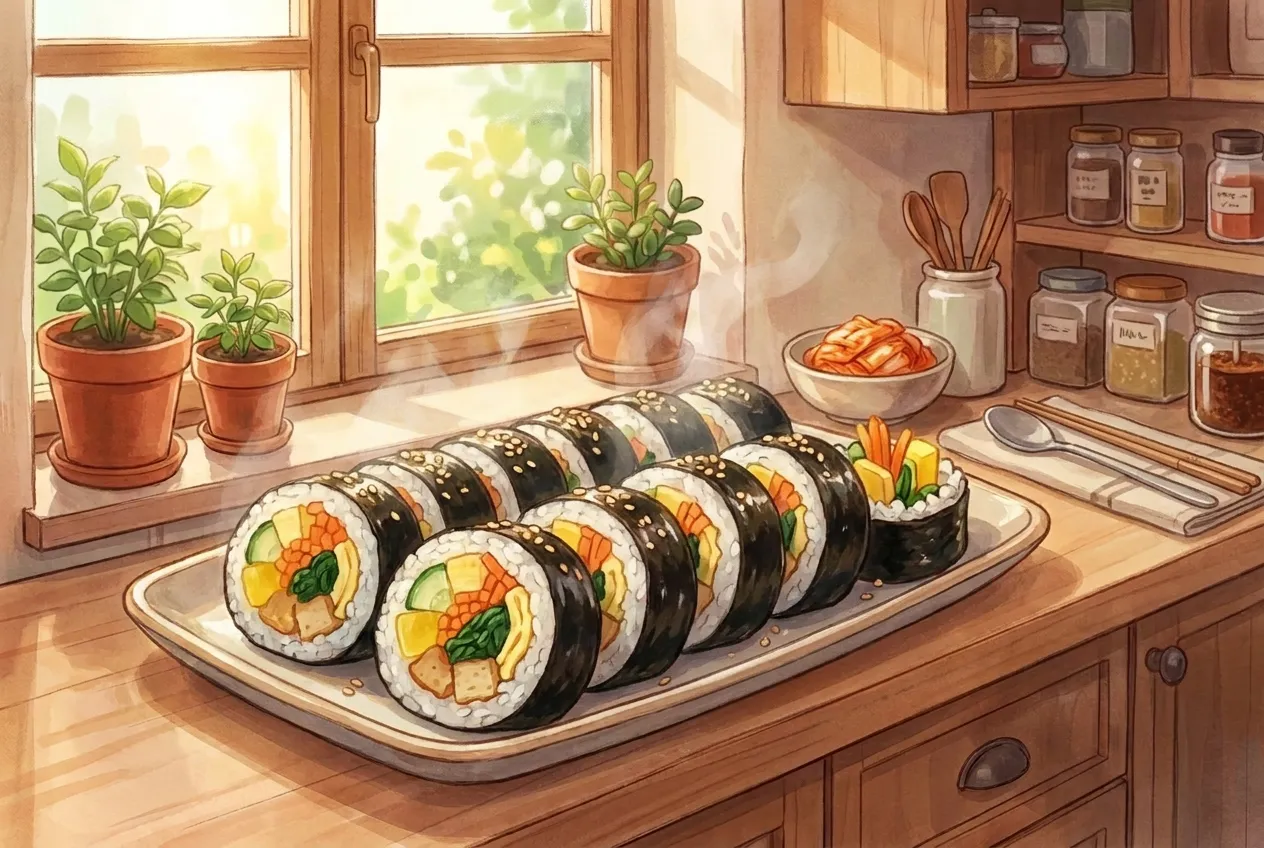
Before You Shop: Quick Ingredient Check
- Cooked short-grain ricesushi rice or any sticky rice works
- Roasted seaweed sheets (gim / nori)sold as sushi nori at most grocery stores
- Eggs, carrot, cucumber, spinacheasy anywhere
- Sesame oil and salteasy anywhere
- Yellow pickled radish (danmuji)substitute below
- Fish cake, ham or crab sticksubstitute below
Nothing here is a dealbreaker. Let's roll.
Ingredients (makes 2 rolls)
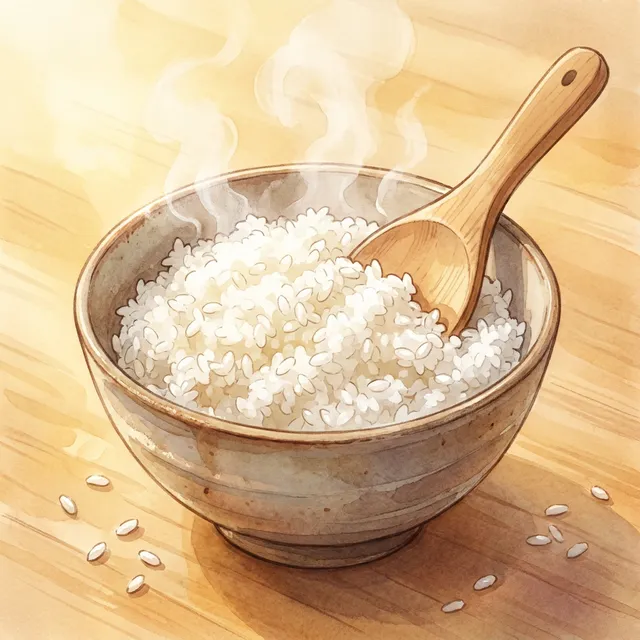 2 cups cooked short-grain rice, still warm
  1 tsp sesame oil, plus more for brushing
 - ½ tsp salt, plus a pinch for the vegetables
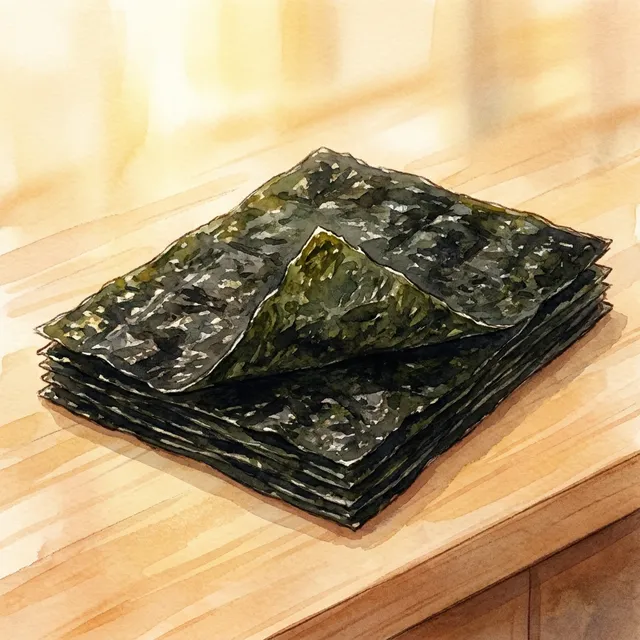 2 sheets roasted seaweed (gim)
 - 2 eggs, beaten with a pinch of salt
- 1 small carrot, cut into thin strips
- ½ cucumber, cut into thin strips
- 1 handful spinach
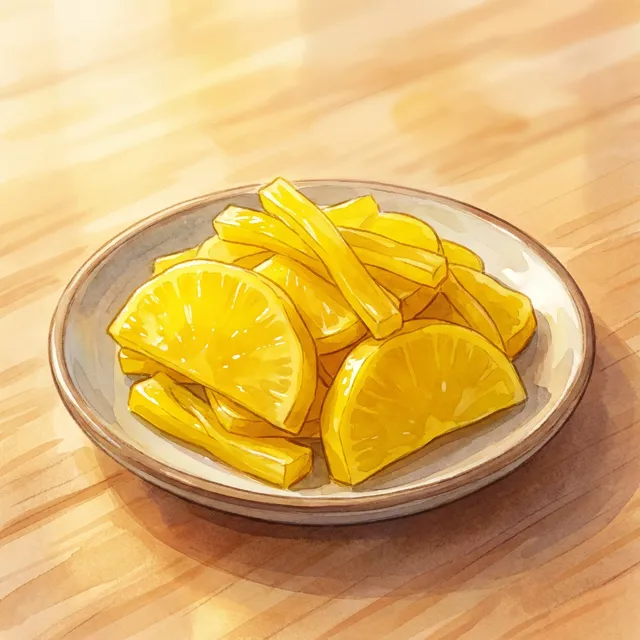 2 strips yellow pickled radish (danmuji) (optional)
 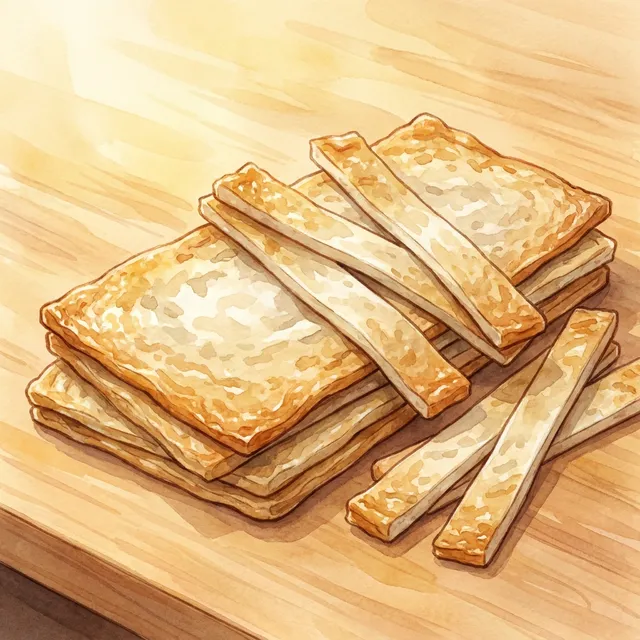 2 strips fish cake, ham, or crab stick (optional)
 - 1 tbsp neutral oil
- Toasted sesame seeds, for finishing
Steps
- 1 Mix the warm rice with 1 tsp sesame oil and ½ tsp salt. Let it cool slightly while you prepare the fillings.

- 2 Make a thin, flat omelet from the beaten eggs in a lightly oiled pan over low heat. Let it cool, then cut it into long strips.

- 3 Stir-fry the carrot strips in a little oil with a pinch of salt for about 2 minutes until just tender. Briefly blanch the spinach, squeeze out the water, and season with a drop of sesame oil and a pinch of salt.

- 4 Lightly pan-fry the fish cake or ham if using. Pat the cucumber strips dry so the roll doesn't get soggy.

- 5 Place a seaweed sheet shiny-side down on a bamboo mat (or a clean kitchen towel). Spread about 1 cup of rice in a thin, even layer, leaving about 2 inches uncovered at the far edge.

- 6 Lay the fillings in neat lines across the rice near the edge closest to you. Lift the mat, roll the edge over the fillings, tuck in, and press firmly as you roll to the end.

- 7 Brush the finished roll with a little sesame oil and sprinkle with sesame seeds. Slice with a sharp, slightly damp knife into bite-size pieces, wiping the blade between cuts.

국룰Press the roll firmly while rolling and wipe your knife between cuts — a tight roll and a clean blade keep every slice neat.
Substitution Guide
About the Danmuji and the Fillings — Here's What to Do
Two things trip people up: finding 단무지 (danmuji, yellow pickled radish) and matching the usual filling lineup. Here's the good news: gimbap is endlessly flexible, and a few simple fillings make a lovely roll.
Use this — no need to look further
Whatever fillings you have. Egg, carrot, and cucumber alone make a classic-tasting roll. Add whatever else you like — it's the way many Korean households make it.
If you don't have danmuji
- Any quick-pickled radish or cucumber for a bit of tang and crunch
- Sushi ginger, a few thin strips, for a similar bright bite
- Skip it — the roll is still great without
If you don't have a bamboo mat
A clean kitchen towel or a sheet of parchment paper works just as well. Roll the same way, pressing gently but firmly as you go.
Why it matters (so you're not just guessing next time)
Gimbap is built from three things: seasoned rice (sesame oil and salt), a mix of colorful fillings, and a tight roll. As long as those three jobs get done, you can swap individual fillings with confidence.
A Couple More Notes
About the Rice
Warm, slightly sticky rice holds the roll together. If your rice is long-grain, press a little harder when spreading it and the roll will still hold.
Make It Your Way
Canned tuna with a little mayo, cooked bulgogi, or kimchi are all popular fillings. Vegetarian versions with extra vegetables and egg work well too.
Want to Go Further?
This roll uses mostly everyday ingredients. Once you're ready to stock two or three Korean pantry staples, a much wider range of Korean dishes opens up with very little extra effort.
Getting Started with Korean Cooking: The 3 Sauces You Need →Watch It Made

Cooks' versions
Made it your way? Show us.
Swapped an ingredient, changed the heat, plated it differently? Add a photo and a few words — we'll turn it into a pretty card right here on the Gimbap page, so the next cook can follow your lead.
Made this with a different swap that worked well? Let us know in the comments — it helps the next person who gets stuck on this step.