
Recipe · Weeknight · Serves 2
It's Okay — You Can Make Itaewon Class's Sundubu-jjigae at Home
In Itaewon Class, Park Saeroyi's sundubu-jjigae is the warm, spicy bowl his staff eat after closing time. It's a real, everyday Korean stew — and it comes together in about 25 minutes. If you don't have every ingredient on this list, that's fine — keep reading before you decide to skip it.
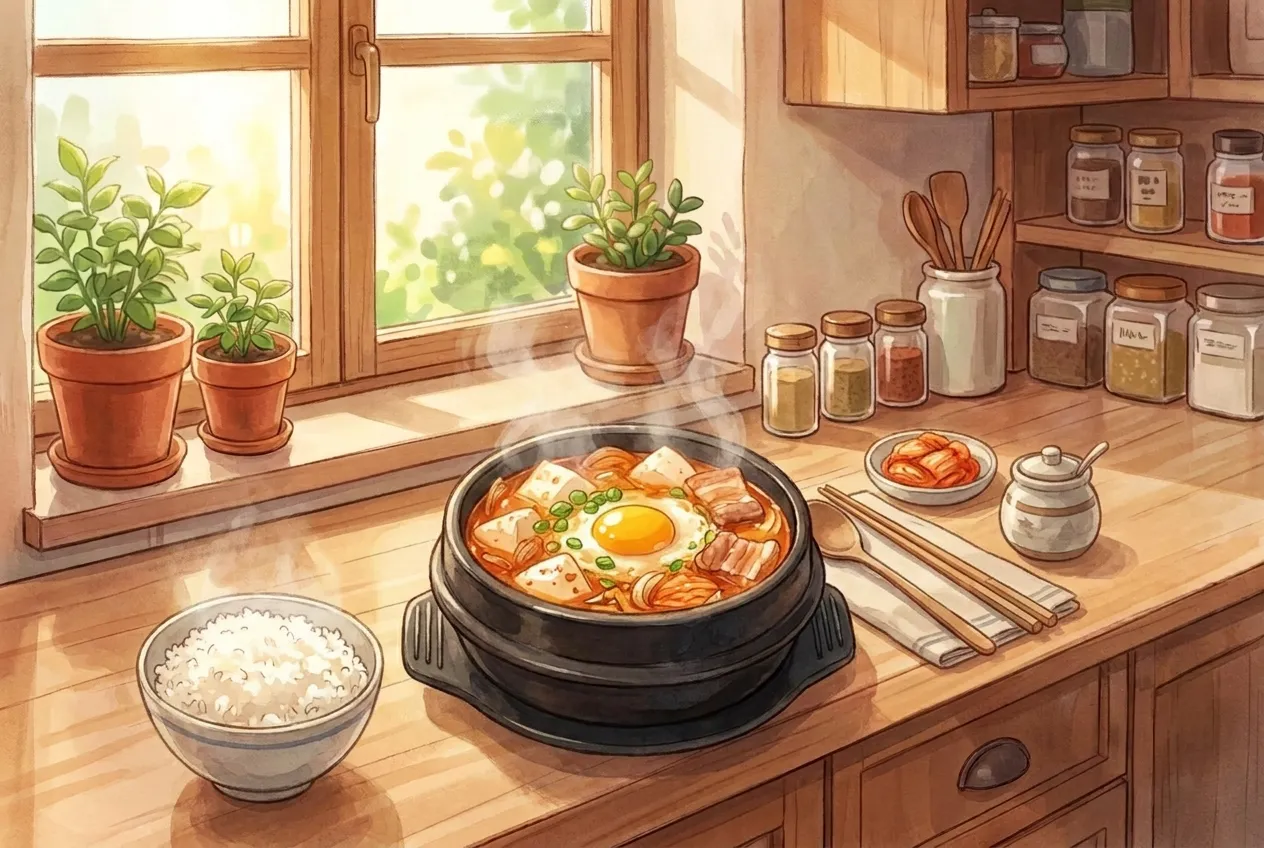
Before You Shop: Quick Ingredient Check
- Soft (silken) tofusold as 'soft tofu' or 'extra-soft tofu' at most grocery stores
- Pork belly or any thinly sliced porkeasy anywhere
- Egg, onion, garlic, green onioneasy anywhere
- Kimchi (optional but classic)nice to have — see below
- Gochugaru (Korean chili flakes)substitute below
- Anchovy stocksubstitute below
Nothing here is a dealbreaker. Let's cook.
Ingredients (serves 2)
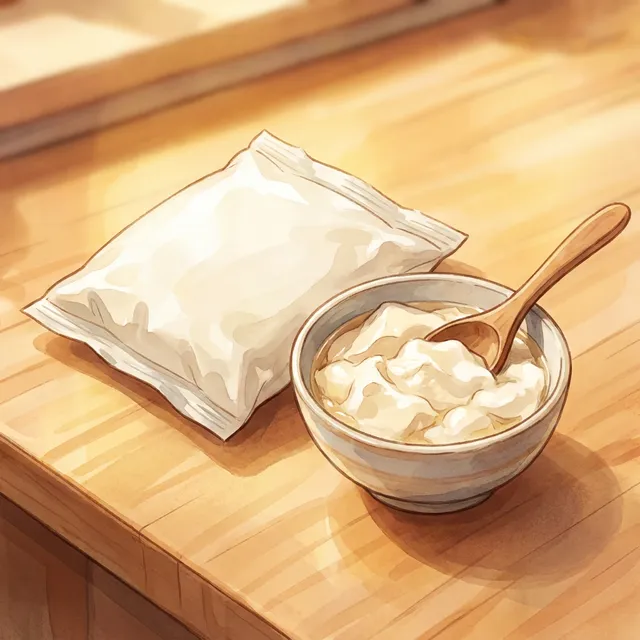 1 tube (about 350g / 12 oz) soft tofu, or 1 block of the softest tofu you can find (sundubu comes in a tube at Korean markets; silken tofu works too)
 - 80g (about 3 oz) pork belly or thinly sliced pork, cut into bite-size pieces
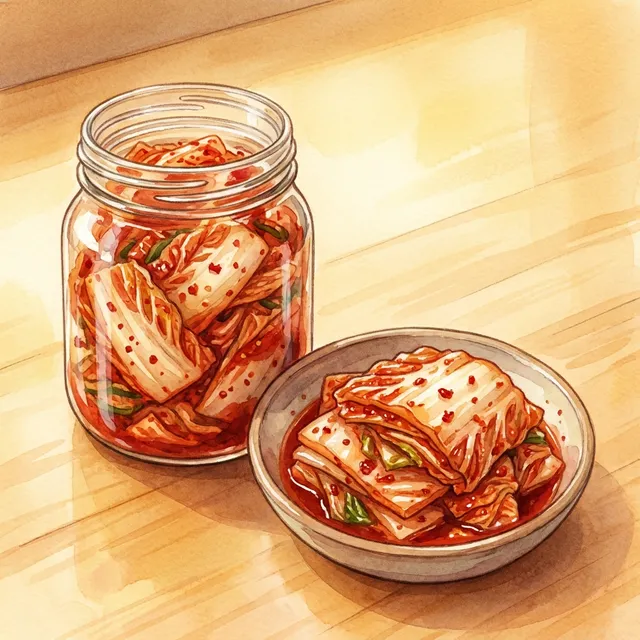 ½ cup well-fermented kimchi, chopped (optional)
 - ½ small onion, chopped
- 2 cloves garlic, minced
 1 green onion, chopped
 - 1 tbsp neutral oil
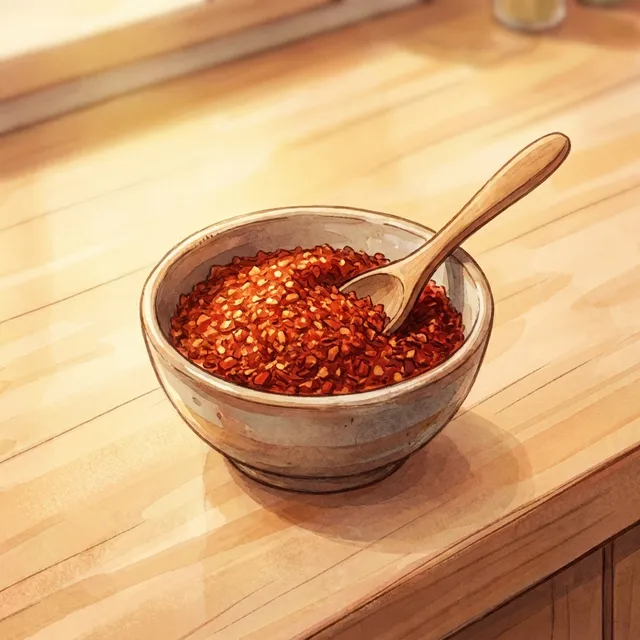 1 to 2 tbsp gochugaru (Korean chili flakes) (adjust to your spice level)
  1 tbsp soy sauce
  1 tsp sesame oil
  1½ cups (360ml) anchovy stock, or water
 - 1 egg
- Salt and a pinch of sugar, to taste
Steps
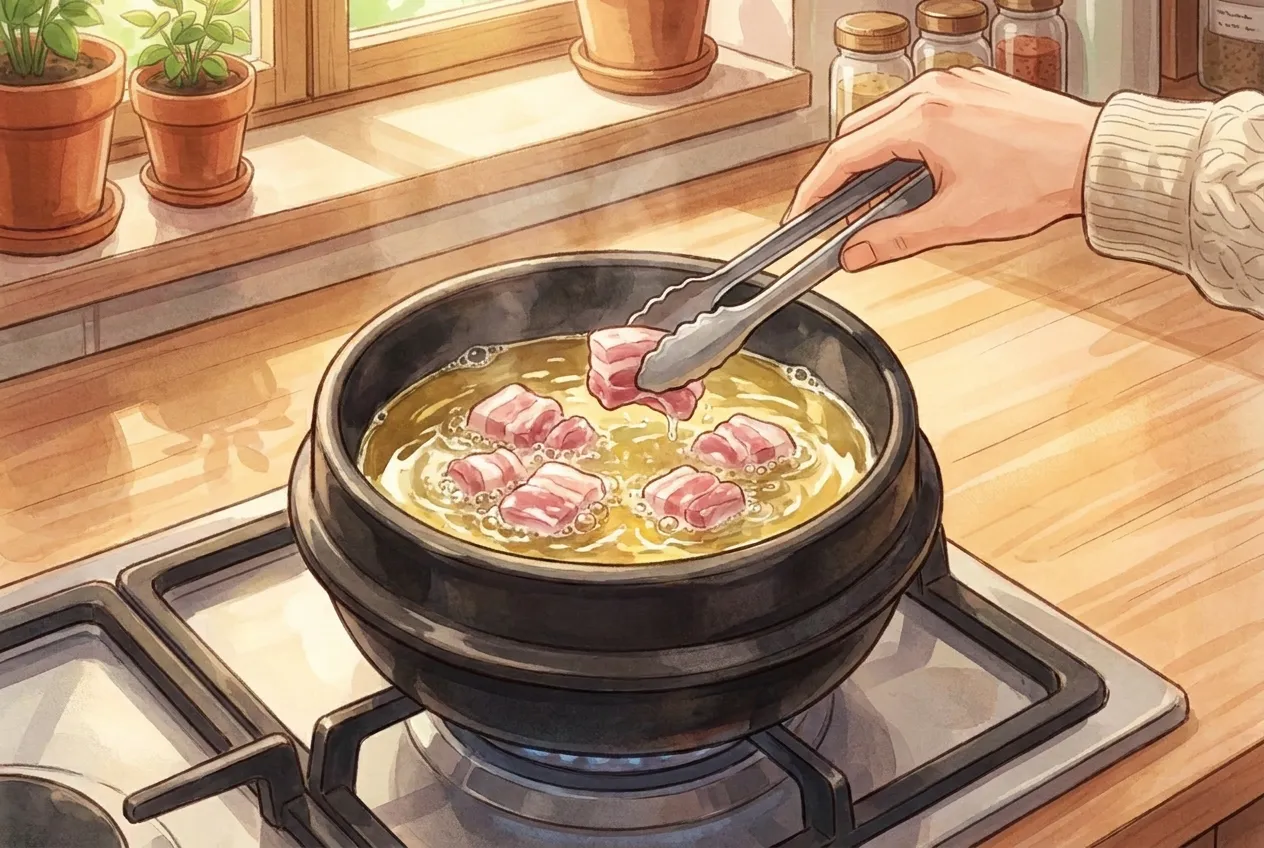
- 1 Heat the oil in a small pot or Korean earthenware bowl (ttukbaegi) over medium heat. Add the pork and cook for 2–3 minutes until it starts to turn golden.
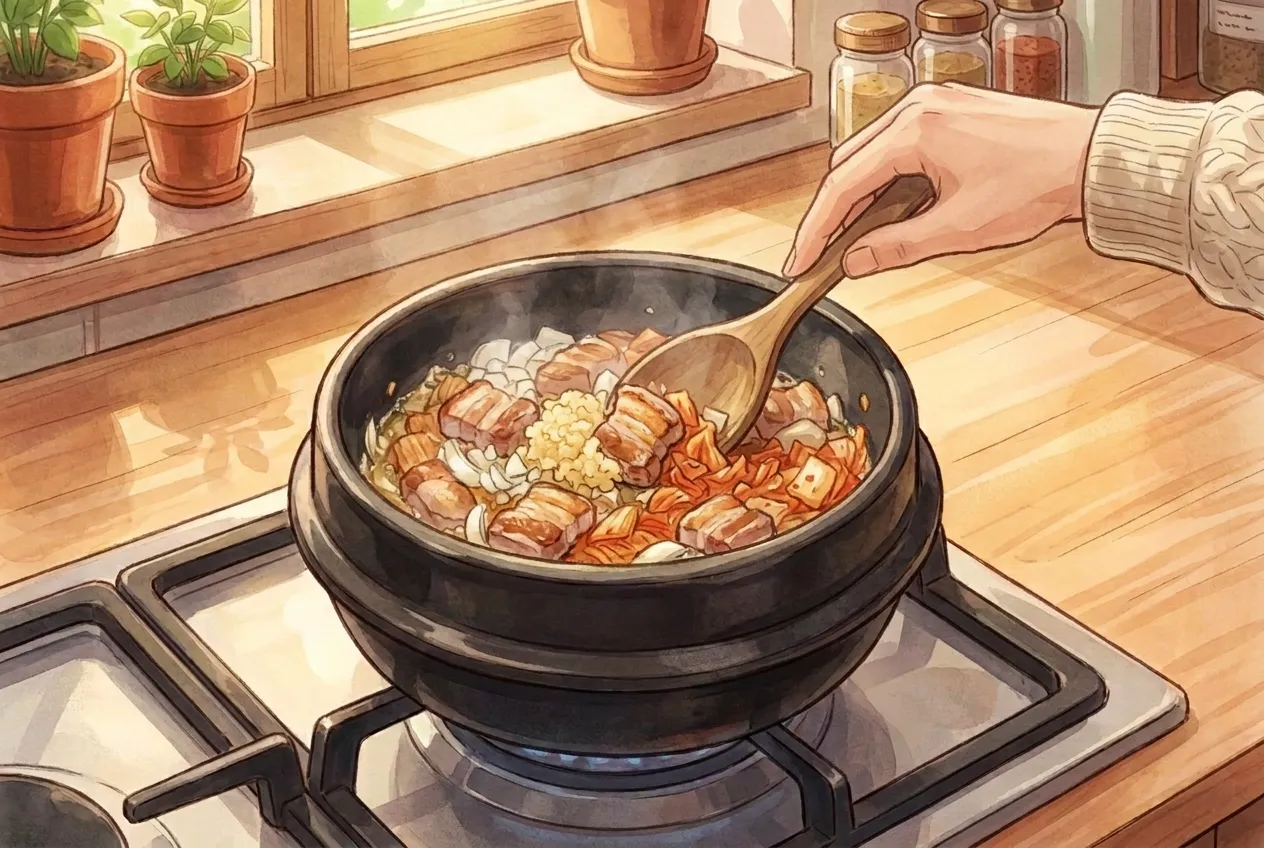
- 2 Add the onion, garlic, and kimchi if using. Stir for another 2 minutes until fragrant and softened.
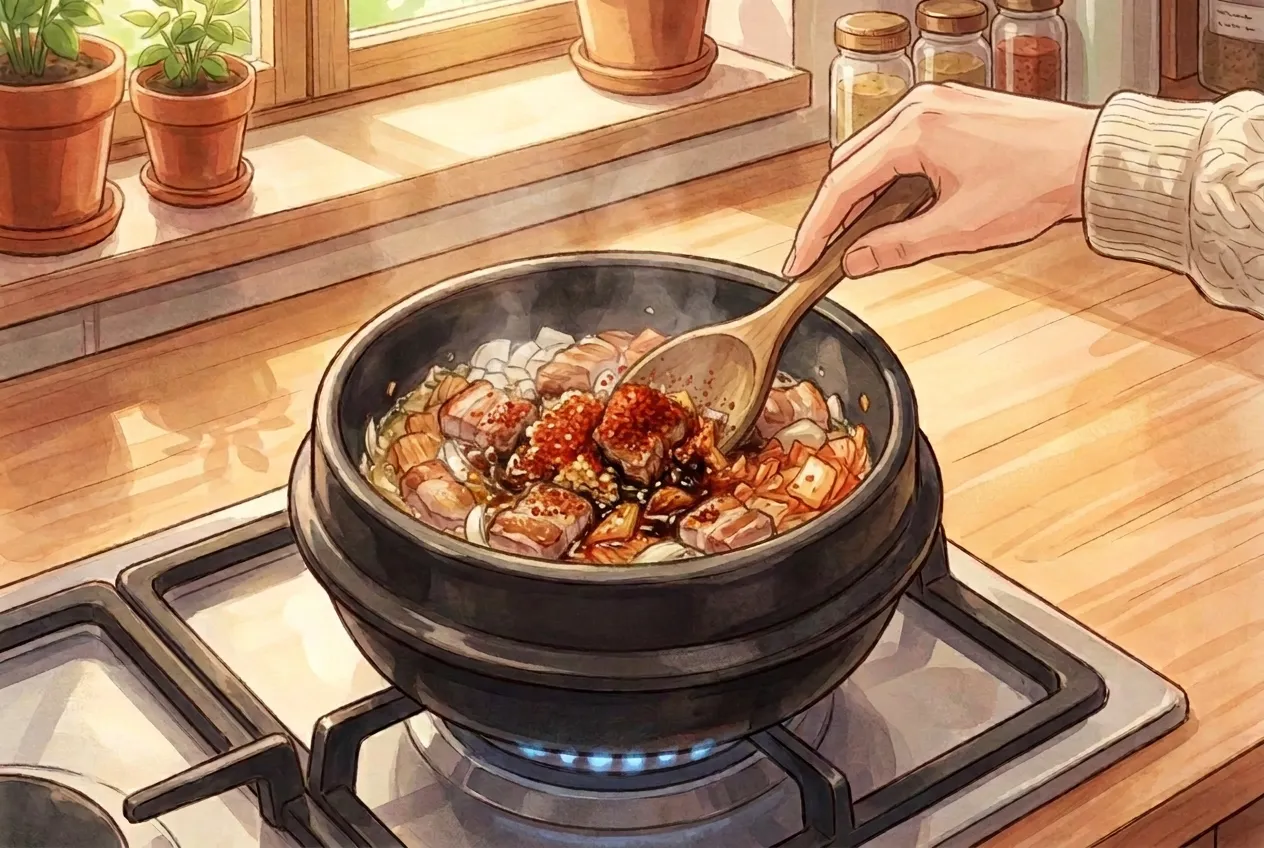
- 3 Turn the heat to low. Stir in the gochugaru, soy sauce, and sesame oil and cook for about 30 seconds, stirring constantly so the chili doesn't scorch.
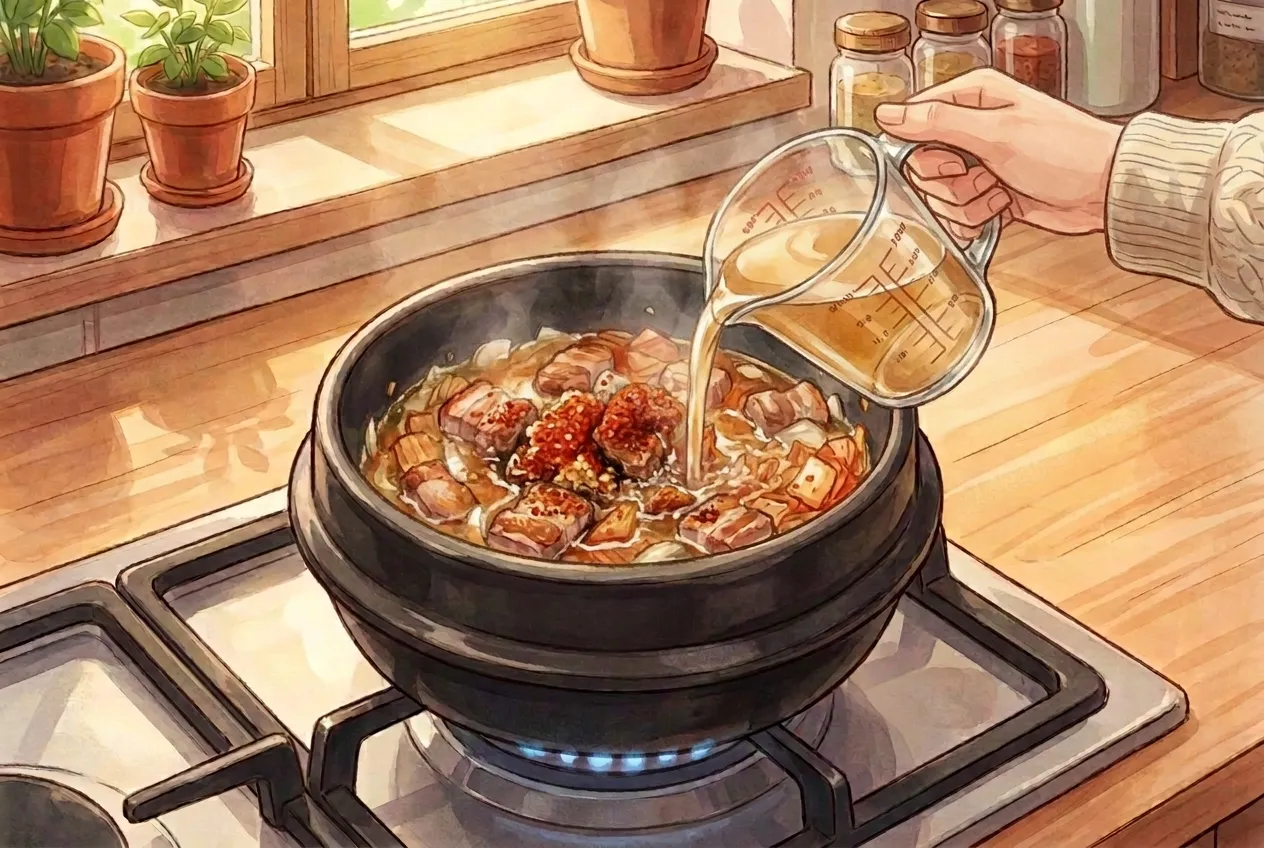
- 4 Pour in the stock and bring to a boil. Let it bubble for about 5 minutes so the flavors come together.
- 5 Spoon in the soft tofu in large chunks — don't stir hard, it breaks up on its own. Simmer for 3–4 minutes, then taste and add salt or a pinch of sugar if needed.
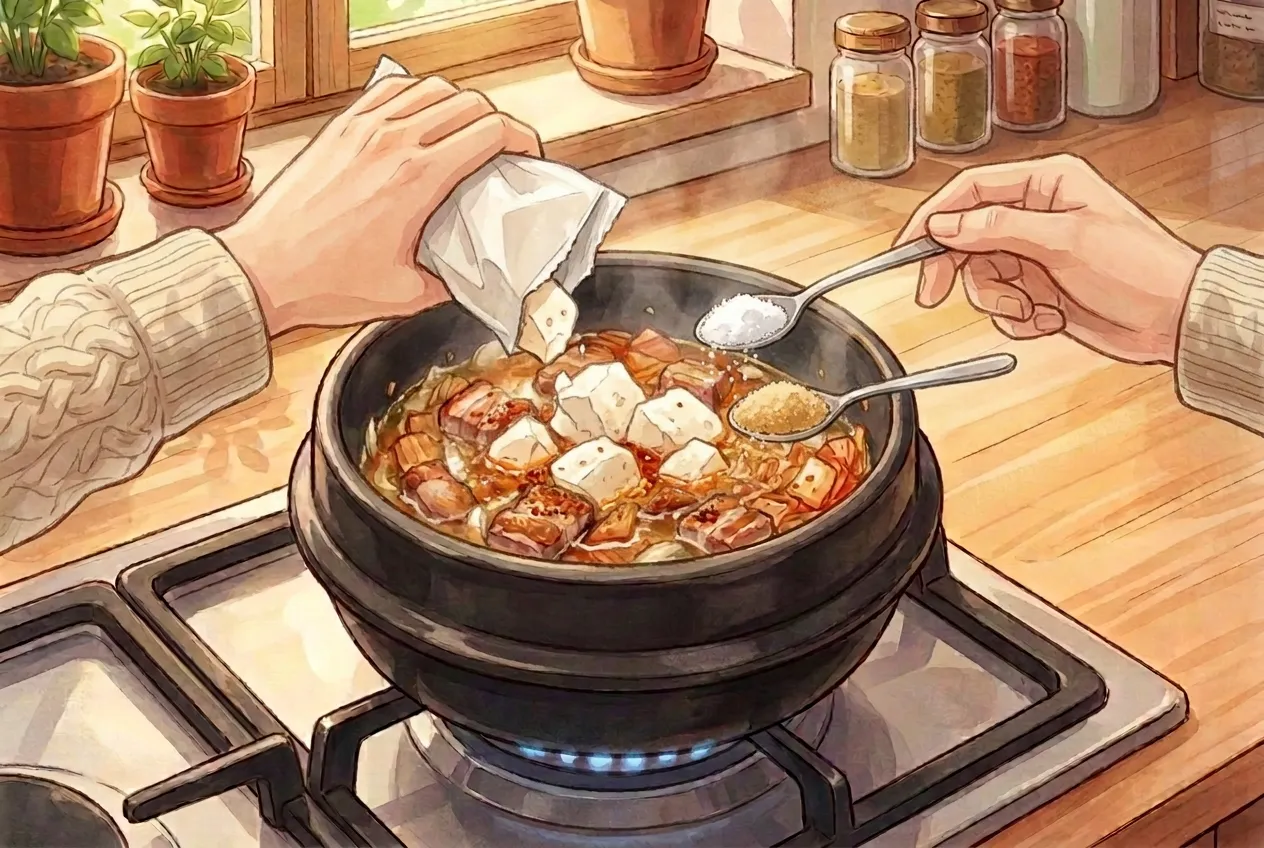
- 6 Crack the egg into the center, scatter the green onion on top, and turn off the heat. The stew keeps cooking in the hot pot. Serve right away, bubbling, with a bowl of rice.

국룰Crack the egg in at the very end and bring the pot straight to the table — the bubbling is part of the experience.
Substitution Guide
About the Soft Tofu and the Stock — Here's What to Do
Two things trip people up: finding real 순두부 (sundubu) and making anchovy stock. Here's the good news: you can get a very good stew without either.
Use this — no need to look further
Silken or soft tofu. Any block labeled "silken" or "soft" works fine. Spoon it into the pot in big chunks and let it break apart. It's a little firmer than true sundubu, but the stew tastes just as comforting.
If you don't have anchovy stock
- Plain water plus an extra splash of soy sauce — the pork and kimchi add plenty of flavor
- Chicken or vegetable broth — a gentle, widely available stand-in
- Dashi, if you have it — it has a similar savory-sea note
If you can't find gochugaru
Use a smaller amount of regular red pepper flakes (about half as much — they're often hotter and coarser), or stir in a spoonful of gochujang if you have it. It's also fine to make a milder, less spicy version.
Why it matters (so you're not just guessing next time)
Sundubu-jjigae is built from three things: a savory base (stock plus pork), a chili-oil flavor layer (gochugaru bloomed in oil), and very soft tofu to soak it all up. As long as those three jobs get done, you can swap individual ingredients with confidence.
A Couple More Notes
About the Kimchi
Kimchi sundubu is a popular version, but plain sundubu is common too. No kimchi? Leave it out and add a little extra gochugaru and a pinch of salt — it will still be a lovely bowl.
About the Pork
Pork belly is classic, but any thinly sliced pork works. Many versions use seafood or beef instead, and a vegetarian version with mushrooms and vegetable broth also works well.
Want to Go Further?
This stew uses mostly everyday ingredients. Once you're ready to stock two or three Korean pantry staples, a much wider range of Korean dishes opens up with very little extra effort.
Getting Started with Korean Cooking: The 3 Sauces You Need →Watch It Made
You Might Also Like
Cooks' versions
Made it your way? Show us.
Swapped an ingredient, changed the heat, plated it differently? Add a photo and a few words — we'll turn it into a pretty card right here on the Sundubu-jjigae page, so the next cook can follow your lead.
Made this with a different swap that worked well? Let us know in the comments — it helps the next person who gets stuck on this step.